Leonardo Labs needed an advanced fuel cell propulsion architecture for aviation, capable of integrating a high‑power hydrogen PEM fuel cell into a 300 kW electric propulsion system.
Clients:
Aviation R&D center
Industries:
Applications:
The customer gains a safe, controlled environment to rapidly develop and validate hydrogen‑electric propulsion systems.
A real hybrid‑electric aircraft conditions, reducing development time, lowering technical risk, and enabling faster progress toward zero‑emission aviation.
Integration of hydrogen PEM Fuel Cell into an electric propulsion system (300kW).
Need for advanced propulsion architecture: Leonardo Labs required an aviation‑grade fuel‑cell propulsion system capable of integrating a high‑power hydrogen PEM fuel cell into a 300 kW electric drivetrain.
Core technical challenge: Combine fuel‑cell power generation, energy‑storage emulation, and propulsion control within a stable, testable environment for next‑generation aircraft.
Three work packages developed by Dumarey:
Dumarey engineered the complete electrical powertrain architecture, delivering seamless system integration for the hydrogen‑powered aviation demonstrator. We developed a supervisory energy‑management controller, ensuring coordinated operation of the fuel cell modules and the battery emulator.
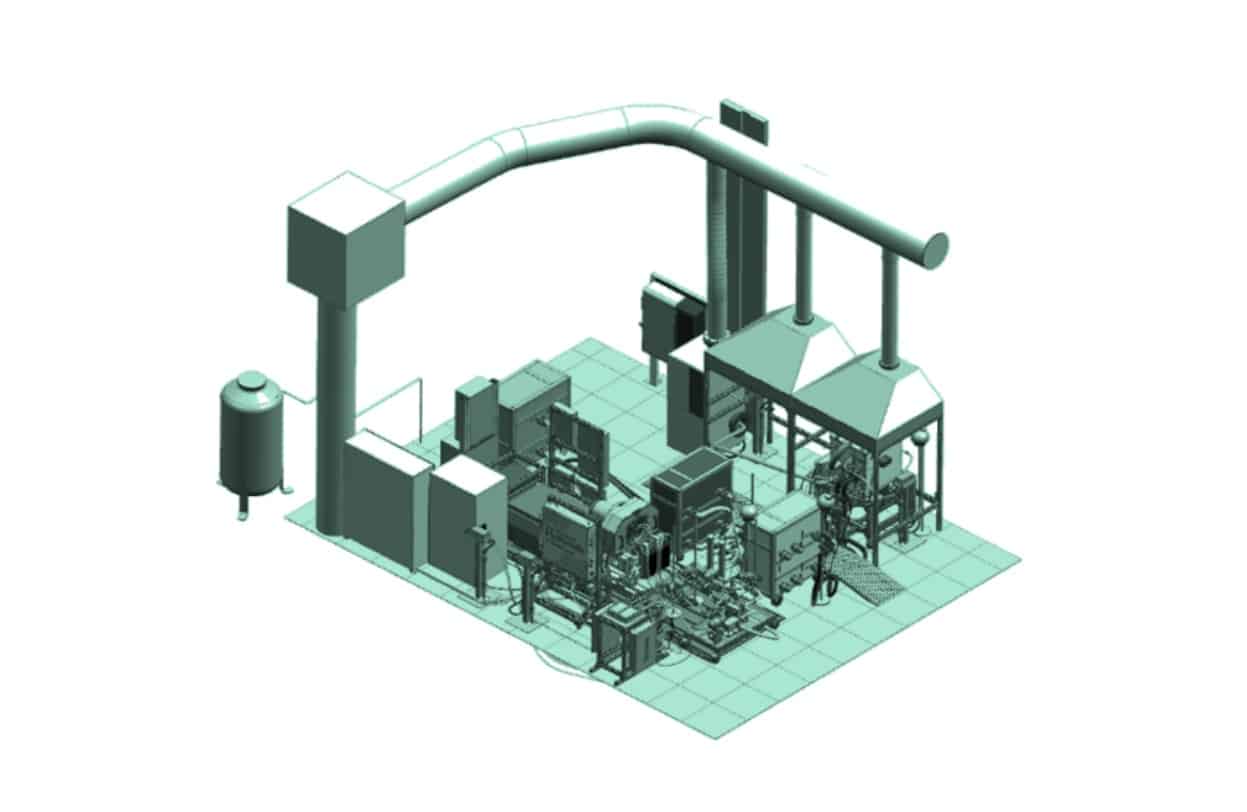
To support validation, Dumarey designed and built a dedicated DC micro‑grid test rig for electric aircraft, enabling simulation and testing of the full DC powertrain-power sources, control systems, distribution equipment, loads, and data‑acquisition instrumentation.
Share on
In collaboration with MavTech, we develop a hydrogen-powered UAV solution designed to maximize flight endurance, improve operational efficiency, and ensure safe, reliable performance for demanding mission profiles.